

flat transparent sheet glass
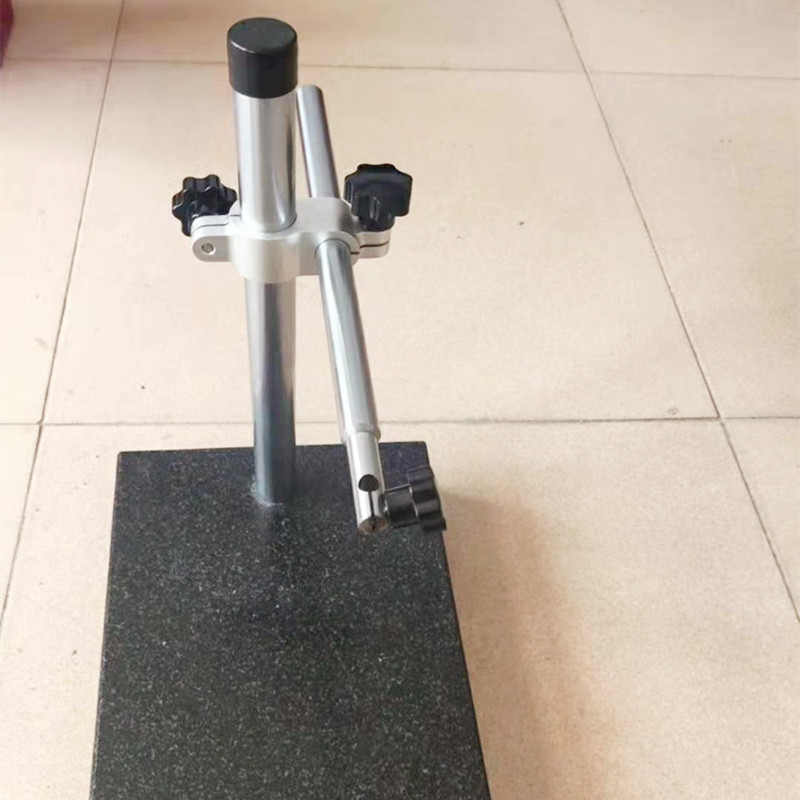
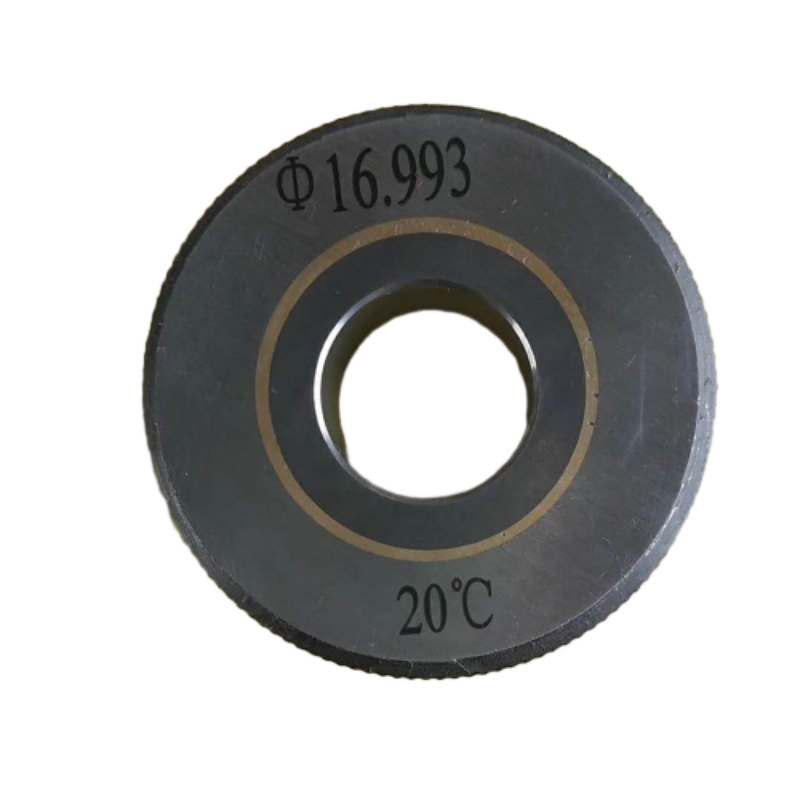
In the realm of precision manufacturing, where minute tolerances can define the success or failure of a product, the accuracy of measurement tools is non-negotiable. Plug gauges , plug ring gauges , and small hole gauges are indispensable instruments for ensuring dimensional precision, particularly in verifying the internal diameters of components. Calibration of these gauges is a critical process that directly impacts the quality control pipeline. This article delves into the core calibration techniques for these essential tools, exploring their unique requirements and addressing common customer concerns to empower manufacturers with informed decisions. Key Calibration Principles for Plug Gauge Accuracy Plug gauges are designed to check the diameter and form of holes, slots, and other cylindrical features. Their calibration revolves around maintaining strict dimensional accuracy to ensure reliable pass/fail assessments. The first step in calibration involves verifying the gauge's nominal size against a traceable reference standard, such as a master gauge or a coordinate measuring machine (CMM) with proven precision. Temperature control is paramount here, as even slight fluctuations can cause thermal expansion or contraction, affecting measurements. Calibration technicians must also inspect the gauge's surface finish and geometry. A worn or scratched plug gauge can introduce errors, so visual checks and tactile examinations using profilometers are standard practices. Additionally, dimensional stability over time is evaluated through repeated measurements under controlled conditions, ensuring the gauge remains within specified tolerance limits (typically ±0.001mm for high-precision applications). By adhering to these principles, manufacturers can trust their plug gauges to deliver consistent, accurate results in critical quality checks. Ensuring Precision with Plug Ring Gauge Calibration Plug ring gauges , used to inspect the external diameters of shafts and cylindrical parts, demand a slightly different calibration approach due to their ring-shaped design. Calibration begins with verifying the gauge's internal diameter against a master plug gauge of known accuracy. This mutual verification ensures that both plug and ring gauges maintain complementary precision, essential for interchangeable manufacturing. One unique challenge with plug ring gauges is ensuring roundness and straightness. These properties are tested using rotational measurement devices that capture deviations from perfect circularity. Torque application during calibration is another critical factor; excessive force can deform the gauge or introduce measurement bias, while insufficient torque may lead to unstable positioning. Calibration protocols often specify a standardized torque value (e.g., 2-3 N·m) to ensure consistent, repeatable results. By addressing these nuances, manufacturers can uphold the reliability of plug ring gauges in verifying the dimensional integrity of precision-machined components. Mastering Calibration for Small Hole Gauge Applications Small hole gauges present a distinct set of challenges due to their focus on measuring extremely narrow diameters, often in the range of 0.5mm to 10mm. Calibrating these delicate instruments requires specialized equipment, such as optical comparators or high-resolution video microscopes, which can capture measurements with micron-level precision. Given their small size, contamination from dust or oils can significantly impact accuracy, so calibration environments must be strictly controlled for cleanliness. A key technique for small hole gauges is traceable step calibration, where the gauge is tested against a series of progressively sized master holes to validate linearity across its entire measurement range. Contact force is also a critical parameter; excessive pressure during measurement can deform the gauge or the workpiece, leading to false readings. Calibration procedures often specify a minimal contact force (e.g., 0.1-0.5N) and use spring-loaded probes to maintain consistency. By mastering these techniques, manufacturers can overcome the unique challenges of small hole measurement, ensuring precision even in the most intricate components. F AQ s About Precision Gauge Calibration What Are the Key Advantages of Professionally Calibrated Plug Gauges, Plug Ring Gauges, and Small Hole Gauges? Professionally calibrated gauges offer three primary benefits: reliability, compliance, and cost savings. Calibration ensures that your tools meet international standards (e.g., ISO 9001), reducing the risk of faulty parts reaching customers. Reliable measurements also minimize rework and scrap, as early detection of dimensional errors prevents costly downstream issues. For precision manufacturers, investing in regular calibration is a strategic move to uphold product quality and operational efficiency. How Often Should Plug Gauge, Plug Ring Gauge, and Small Hole Gauge Calibration Be Performed? The calibration frequency depends on usage intensity and environmental conditions. As a general guideline, gauges used in high-volume production should be calibrated every 3-6 months, while those in less frequent use may require annual calibration. Signs that calibration is needed include inconsistent measurements, visible wear, or when the gauge has been dropped or exposed to extreme temperatures. Proactive calibration schedules help maintain measurement integrity and avoid unexpected downtime due to tool inaccuracies. Can Small Hole Gauges Be Calibrated for Non-Cylindrical Small Features? Yes, though calibration for non-cylindrical features requires specialized methods. While standard calibration focuses on circular holes, technicians can adapt procedures for slots, keyways, or irregular shapes using custom master fixtures. These fixtures are designed to mimic the geometry of the target features, allowing the small hole gauge to be verified for both dimensional accuracy and form tolerance. This versatility makes small hole gauges a valuable asset in diverse precision manufacturing applications. What Steps Ensure Calibration Traceability for Plug Ring Gauges? Traceability is maintained by using calibration standards traceable to national or international measurement authorities (e.g., NIST, UKAS). Each calibration report should include the reference standard's certification, calibration dates, measured values, and uncertainty margins. Additionally, gauges should be uniquely identified with serial numbers or barcodes, allowing for easy tracking of their calibration history. This documentation is essential for audits and ensures compliance with quality management system requirements. What Makes Small Hole Gauges Ideal for High-Precision Applications? Their ability to measure minute diameters with resolutions up to 0.001mm makes small hole gauges indispensable in industries like medical implant manufacturing. In the precision manufacturing landscape, the reliability of plug gauges , plug ring gauges , and small hole gauges is non-negotiable. By understanding their unique calibration requirements and addressing common concerns, manufacturers can ensure these tools deliver the accuracy needed to produce high-quality components. Regular calibration, performed by experts using traceable methods, is not just a quality control step—it's an investment in the precision, compliance, and long-term success of your manufacturing operations. Trust in calibrated precision, and let your measurements drive your competitive edge.
about
flat transparent sheet glass
Understanding the Metal Angle Ruler A Versatile Tool for Precision Measurement The metal angle ruler, also known as a combination square or a triangular ruler, is an essential tool in various fields, including carpentry, metalworking, and drafting. Its design allows for precise measurements and angles, making it invaluable for professionals and DIY enthusiasts alike. This article explores the features, uses, and advantages of the metal angle ruler, highlighting why it is a staple in the toolbox of anyone who values accuracy in their work. The metal angle ruler typically consists of a sturdy metal body that resists wear and tear, ensuring longevity and reliability. Its primary feature is the right-angle edge, which allows users to create or check 90-degree angles with ease. Many models also include 45-degree markings, making it simple to create miter cuts. The graduated scale along the edges provides both inch and metric measurements, accommodating a variety of projects and user preferences. Some advanced versions even have built-in protractors for measuring and marking angles more comprehensively. One of the most common uses of the metal angle ruler is in carpentry. Carpenters rely on this tool to ensure that their cuts are precise and that their structures are square . When framing walls, for instance, a metal angle ruler can help verify that the corners are correctly aligned, preventing costly mistakes later on. Additionally, when working with wood or metal sheets, the ability to mark straight lines and angles quickly can significantly enhance overall productivity. metal angle ruler In the realm of drafting and engineering, accuracy is paramount. The metal angle ruler serves as a reliable guide for sketching plans and blueprints. Professionals can use it to draw straight lines, set angles, and create detailed designs that require precision. Its ability to measure both acute and obtuse angles makes it a versatile tool for all types of geometric drawings. Moreover, the reflective nature of metal allows users to see their marking clearly, minimizing errors caused by misaligned tools. The durability of the metal angle ruler is another significant advantage. Unlike plastic or wooden versions, metal does not warp or suffer from wear as quickly, ensuring that it remains calibrated over time. This characteristic is especially crucial in industries where repeatability and precision are essential, such as machining or architectural design. Investing in a high-quality metal angle ruler can pay off in the long run, as it will withstand the rigors of daily use without compromising accuracy. Maintenance of the metal angle ruler is relatively straightforward. Regular cleaning to remove dust and debris, combined with periodic inspections for any signs of damage or wear, will keep the tool in optimal condition. Storing it in a protective case can further enhance its lifespan, ensuring it remains a reliable companion for years to come. In conclusion, the metal angle ruler is an indispensable tool that offers versatility and precision across various disciplines. Its robust construction, ease of use, and accuracy make it a favorite among professionals and hobbyists alike. Whether you’re constructing a new building, embarking on a creative project, or simply need to ensure your measurements are spot-on, the metal angle ruler is a reliable ally that will help you achieve your goals with confidence. Embracing this tool in your workflow can lead to better results and enhanced satisfaction in your craft.
-

High quality industrial productsagement

High quality industrial products
View Details -

Meet the diverse needs of customers

Meet the diverse needs of customers
View Details -

Strict quality control

Strict quality control
View Details -

Top raw materials

Top raw materials
View Details -

Trusted supplier

Trusted supplier
View Details
Our application


news and information
vibration pads
Understanding Vibration Pads A Comprehensive Guide In today’s fast-paced world, where machinery and
Wooden frame construction with truss plates and nails for added structural support.
Wood frame construction has been a popular building method for centuries, providing a versatile and

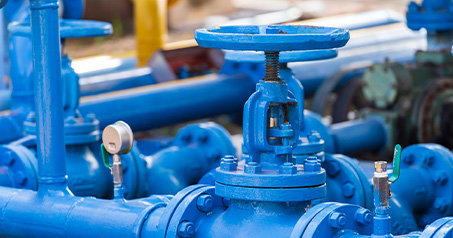
Válvula de gate de 400mm para sistemas de tubulação industriais e comerciais
400mm gate valve .
 English